

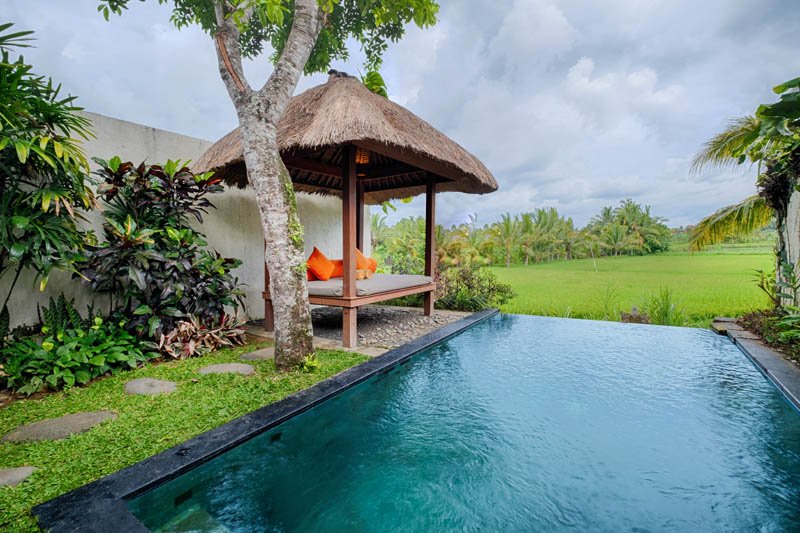
If you are looking for a destination that combines nature, culture, wellness, and authentic Balinese experiences, Ubud is one of the best places to visit in Bali. Surrounded by lush rice fields, traditional villages, ancient temples, and tropical forests, Ubud offers a slower and more peaceful side of the island.
This Ubud itinerary is designed for travelers who have three days to explore the area without feeling rushed. From sunrise walks and iconic rice terraces to waterfalls, temples, local food, and relaxing wellness experiences, here is how to make the most of 3 days in Ubud.
Day 1: Explore Ubud’s Culture and Local Attractions
Start your first morning by exploring the heart of Ubud. The town center is home to several cultural landmarks, traditional markets, art galleries, cafés, and temples, making it an ideal introduction to the destination.
Morning: Ubud Palace and Ubud Market
Begin your day at Ubud Palace, a historical landmark located in the center of town. The palace is known for its traditional Balinese architecture and beautiful details.
Just a short walk away, you can visit Ubud Market. This is a great place to browse handmade crafts, traditional textiles, souvenirs, and local products. If you enjoy shopping, take your time exploring the small stalls and practicing your bargaining skills.
For breakfast, choose one of the many cafés around central Ubud. You will find everything from traditional Indonesian dishes to healthy smoothie bowls and freshly brewed coffee.
Afternoon: Sacred Monkey Forest
One of the most famous Ubud attractions is the Sacred Monkey Forest. Located close to the town center, this lush forest is home to hundreds of long-tailed macaques as well as ancient temples and large tropical trees.
Walking through the forest feels very different from exploring the busy streets of central Ubud. The shaded paths, stone sculptures, and temple structures create a unique atmosphere.
Remember to keep your belongings secure and avoid feeding or directly interacting with the monkeys.
Evening: Balinese Dinner and Traditional Dance
End your first day with a traditional Balinese dinner. Look for dishes such as nasi campur, sate lilit, ayam betutu, or babi guling.
If you are interested in Balinese culture, consider watching a traditional dance performance in the evening. Performances such as Legong or Barong often take place at temples and cultural venues around Ubud.
It is a relaxing way to finish your first day while experiencing one of the most important parts of Balinese culture.
Day 2: Rice Terraces, Waterfalls, and Nature
Your second day is all about exploring the natural beauty surrounding Ubud. Start early to enjoy cooler temperatures and avoid some of the larger crowds.
Morning: Tegallalang Rice Terraces
One of the classic Things to do in Ubud is visiting the Tegallalang Rice Terraces.
The terraces are famous for their layered green landscapes and traditional irrigation system known as subak. Take a walk through the rice fields, enjoy the scenery, and stop at one of the nearby cafés overlooking the valley.
Early morning is generally a comfortable time to visit because the weather is cooler and the landscape is often quieter.
If you want a less touristy experience, consider exploring smaller rice field paths around Ubud. Many villages surrounding the town offer beautiful countryside scenery without the same level of activity as the main tourist areas.
Afternoon: Visit a Waterfall
After exploring the rice terraces, continue your journey to one of the waterfalls near Ubud.
Tegenungan Waterfall is one of the most accessible options and is known for its impressive cascade surrounded by tropical greenery. Other waterfalls in the wider Ubud area can offer a quieter atmosphere, depending on the season and location.
Bring comfortable footwear and swimwear if you plan to enter the water. The paths can also become slippery, especially after rain.
Evening: Sunset and Wellness
After a full day outdoors, slow down with a wellness experience.
Ubud is famous for its wellness scene, with plenty of options for traditional Balinese massages, yoga classes, meditation, and spa treatments.
A one-hour Balinese massage is an excellent way to relax tired muscles after walking through rice fields and waterfalls.
For dinner, choose a restaurant offering views of the surrounding jungle or rice fields. Ubud has a wide range of dining options, from traditional warungs to modern restaurants serving international cuisine.
Day 3: Temples, Local Life, and a Relaxing Finish
For the final day of your Ubud travel guide, explore some of the cultural and spiritual experiences outside the town center.
Morning: Tirta Empul Temple
Start your morning at Tirta Empul Temple, one of Bali’s most important water temples.
The temple is known for its sacred spring water and traditional purification ritual called melukat. Visitors can observe the ritual and, when permitted and properly dressed, participate respectfully.
When visiting Balinese temples, remember to wear appropriate clothing. A sarong is generally required, and shoulders and knees should be covered.
Take time to appreciate the temple’s architecture, pools, gardens, and spiritual atmosphere rather than simply treating it as another sightseeing stop.
Afternoon: Experience Balinese Village Life
For a different perspective of Ubud, spend part of your afternoon exploring the surrounding villages.
You can join a Balinese cooking class, visit a local craft workshop, learn about traditional farming, or simply walk through the countryside.
These experiences allow you to see a side of Bali that goes beyond the main tourist attractions. You may encounter traditional homes, small temples, rice fields, and local communities going about their daily routines.
A cooking class is particularly enjoyable if you want to take a piece of Bali home with you. You can learn how to prepare dishes using traditional herbs and spices before enjoying the meal you have prepared.
Evening: Sunset, Spa, and Dinner
For your final evening, don’t try to squeeze in too many activities. Instead, enjoy Ubud at a slower pace.
Book a relaxing spa treatment, have a quiet dinner, or find a peaceful spot overlooking the jungle or rice fields.
If your Ubud vacation is part of a longer Bali trip, this is also a good opportunity to rest before moving to your next destination.
Tips for Planning Your 3 Days in Ubud
Ubud is relatively easy to explore, but planning your days carefully can make the experience much more enjoyable.
Start early. Popular attractions can become busy later in the morning, while early starts also help you avoid the strongest midday heat.
Allow extra travel time. Traffic around Ubud can be unpredictable, particularly during peak hours. Attractions that look close on a map may take longer to reach than expected.
Dress appropriately. Lightweight clothing is ideal for Bali’s tropical climate, but bring a sarong or modest clothing when visiting temples.
Mix activities with downtime. One of the best things about Ubud is its relaxed atmosphere. Don’t fill every hour with sightseeing. Leave time for coffee, a massage, a long lunch, or simply enjoying your accommodation.
Stay somewhere convenient. Choosing accommodation near central Ubud can make it easier to access restaurants, cafés, shops, and cultural attractions while still keeping you close to nature.
Make the Most of Your Ubud Itinerary
Three days may not be enough to experience everything Ubud has to offer, but it is enough to experience its highlights at a comfortable pace.
From the green rice terraces of Tegallalang and peaceful temples to waterfalls, traditional villages, Balinese cuisine, and wellness experiences, Ubud offers a balanced combination of adventure and relaxation.
The best Ubud itinerary is not necessarily the one with the most attractions. Give yourself time to slow down, enjoy the scenery, connect with the local culture, and experience the peaceful atmosphere that makes Ubud one of Bali’s most memorable destinations.
Whether you are planning your first trip or returning for another Ubud vacation, these three days provide a great starting point for discovering the cultural and natural beauty of Bali’s famous highland destination.
